
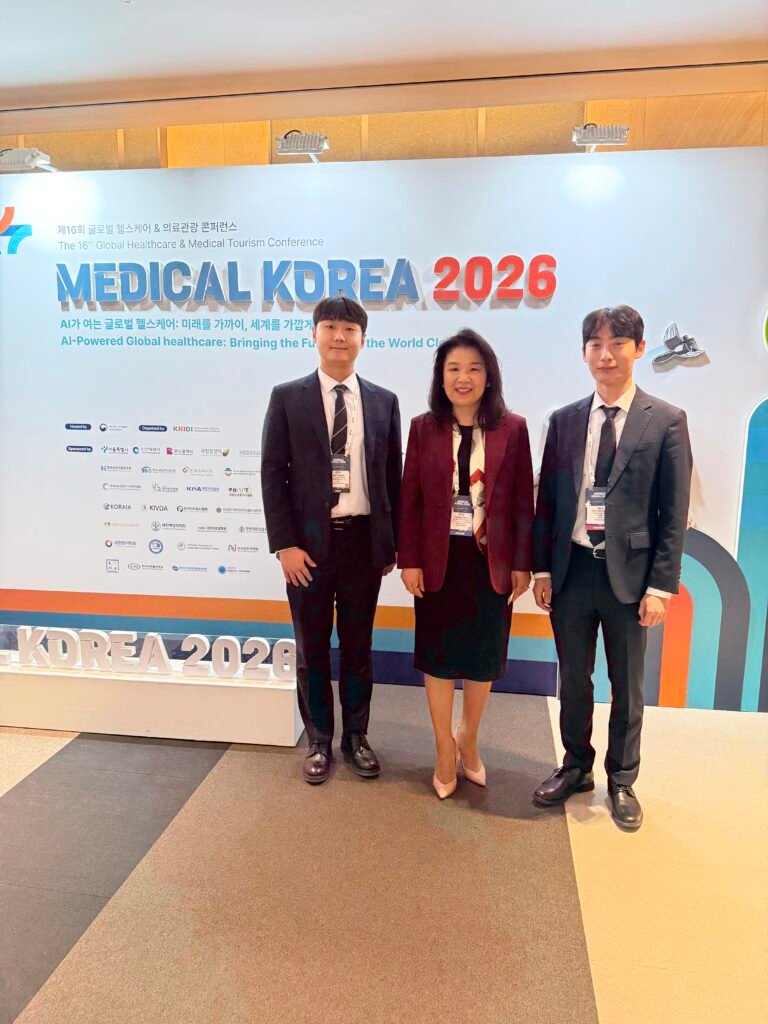
SEOUL — March 2026 — A U.S.-based physician and healthcare systems analyst presented a structural examination of cancer care costs in the United States at Medical Korea 2026, underscoring growing international interest in the economic architecture of advanced healthcare systems.
Jiyon Hwang, M.D., a board-certified internist and president of KAMTOUR (Korea–America MedTour Association), delivered the presentation as an invited featured speaker during the conference, which is conducted by the Korea Health Industry Development Institute under the Ministry of Health and Welfare of the Republic of Korea.
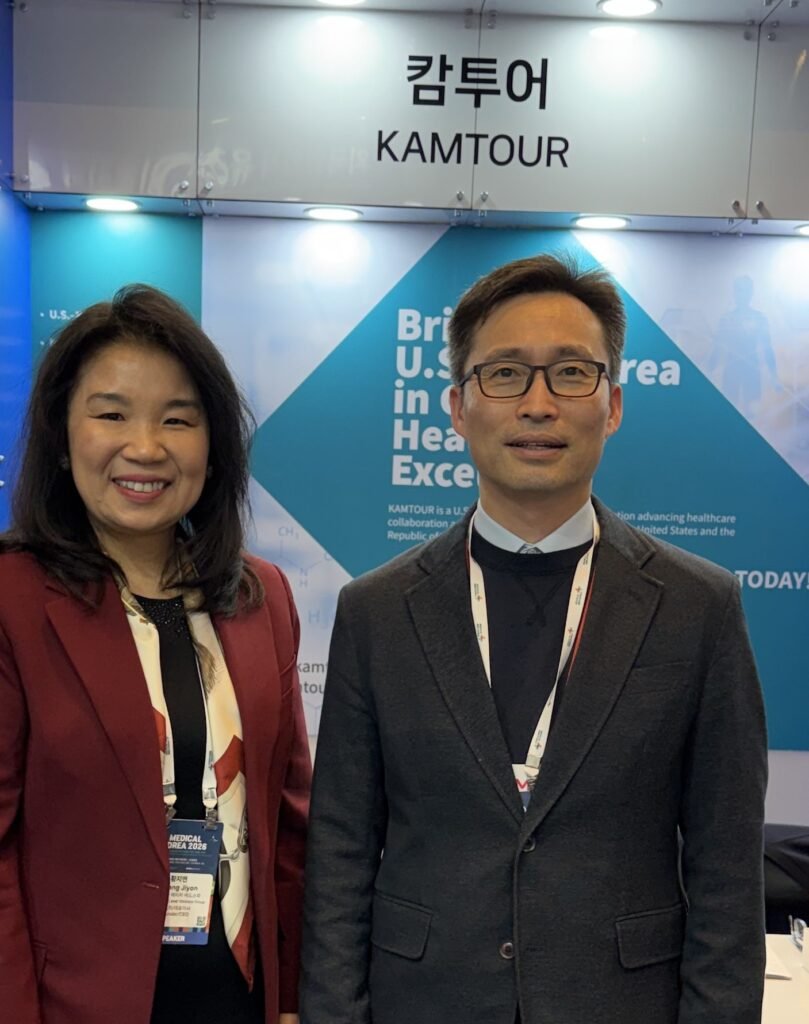
Her talk, titled “The Hidden Architecture Behind U.S. Cancer Care Costs,” examined the layered structure of oncology pricing in the United States, including reimbursement mechanisms, institutional pricing strategies, pharmaceutical cost dynamics, and fragmentation across care delivery systems. The session was delivered as part of the conference’s invited speaker program, which features selected international experts across clinical, policy, and healthcare systems domains.
The analysis framed U.S. cancer care costs not as a function of a single driver, but as the result of interdependent financial and operational systems that influence total cost of care. According to attendees, the session provided a systems-level perspective rarely addressed in international healthcare forums, where discussions more commonly focus on clinical outcomes or technology adoption.
Medical Korea, widely regarded as South Korea’s flagship global healthcare conference, brings together policymakers, hospital systems, and industry participants to explore cross-border collaboration and healthcare innovation. This year’s program placed increased emphasis on international system comparability, cost efficiency, and the development of structured partnerships between national healthcare ecosystems.
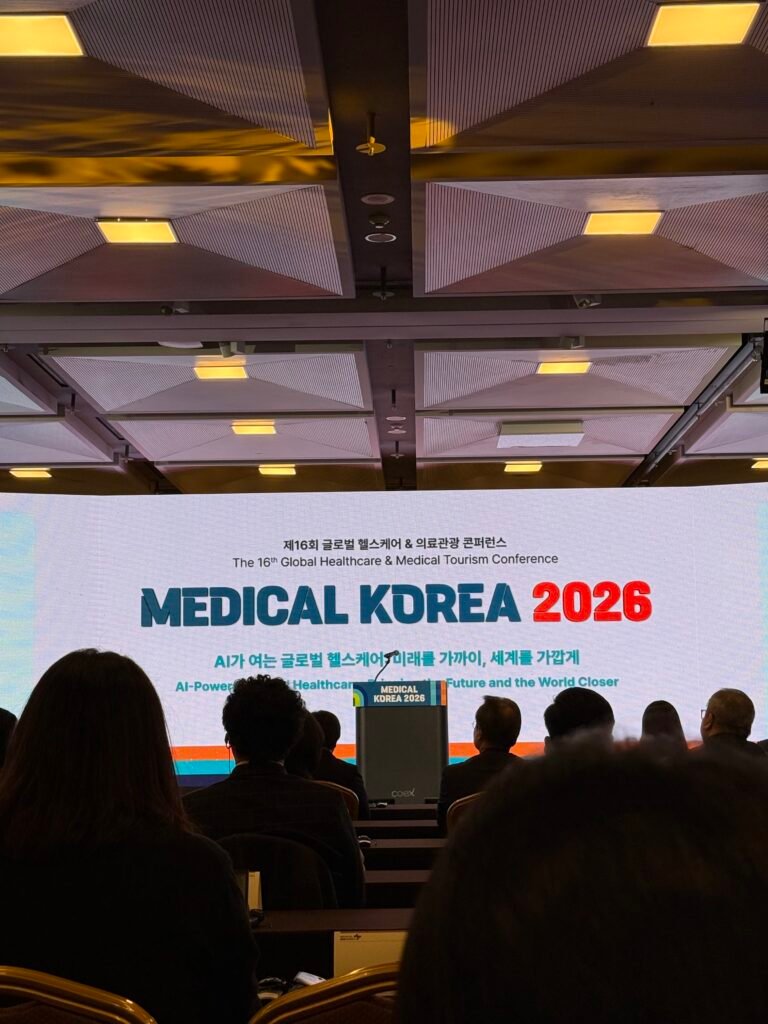
Dr. Hwang’s inclusion as a featured speaker reflects a broader shift toward examining the economic sustainability of healthcare delivery in advanced markets, particularly as countries seek to balance access, quality, and cost containment.
Participants noted that comparative insights into the U.S. system are increasingly relevant for international stakeholders, including hospital networks and government agencies evaluating outbound and inbound patient flows, as well as long-term healthcare infrastructure planning.
The presentation also contributed to ongoing discussions around how structured collaboration between U.S. and Korean healthcare institutions may evolve beyond episodic engagement toward more coordinated, systems-level alignment.
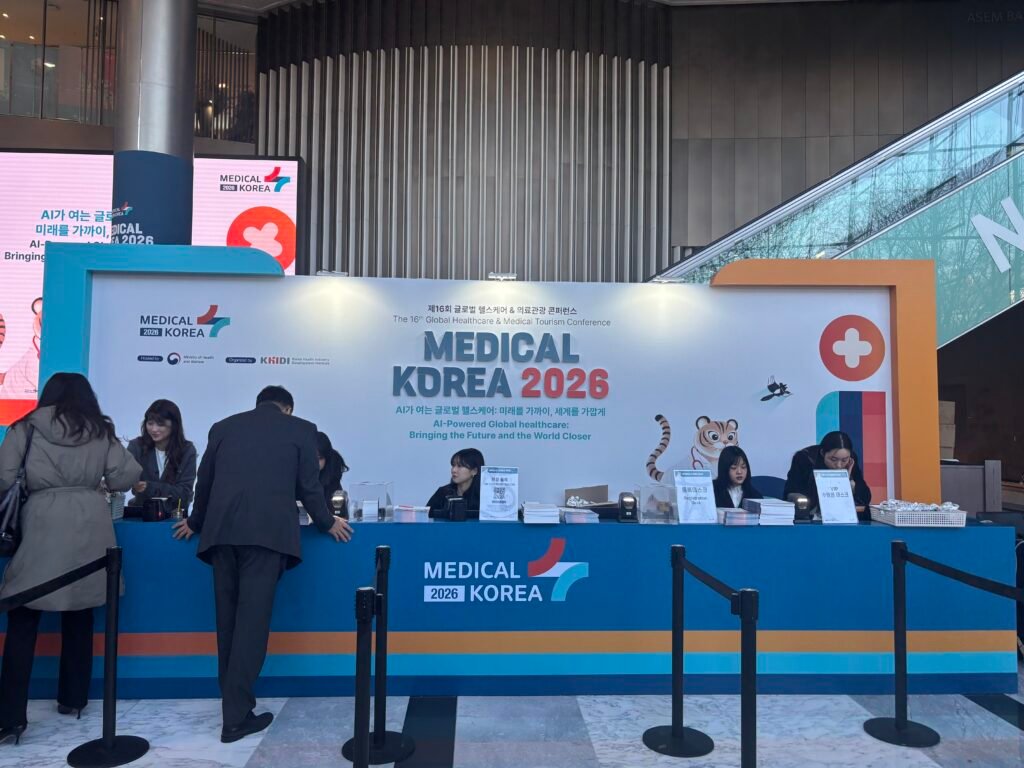
Medical Korea 2026 was held in Seoul’s Gangnam district from March 19 to 22 and convened a global audience of healthcare leaders, institutional stakeholders, and policy representatives.
KAMTOUR Media Contact: media@kamtour.org
For more information about Medical Korea 2026 and KHIDI:

