
South Korea is now one of the fastest-growing global medical tourism hubs. They treated more than 1.17 million foreign patients in 2024; almost double from the previous year.
Among them, over 101,700 came from the United States. American patients continue to choose South Korea for quality, accreditation, and patient experience.
They’re drawn by Korea’s advanced hospital systems, strong specialist network, and focus on comprehensive care.
For American patients in particular, Korea combines concentrated clinical expertise, tightly networked specialty centers, government-backed quality programs and strong logistical support.
In this guide, we’ll explore the 10 most popular medical treatments for U.S. patients in Korea. You’ll learn what each treatment involves, why it’s trusted, and how to plan responsibly.
Regardless of whether you want a thorough health check, chronic disease care, or advanced surgery, South Korea offers global standards with cultural warmth.
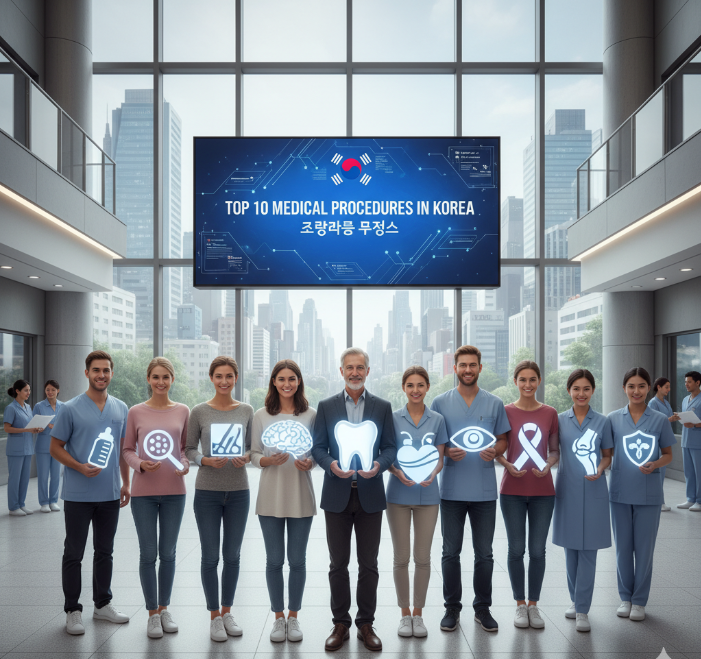
How Korea supports quality for foreign patients
If you are considering care abroad, verifying quality and continuity of care is essential. Korea has a structured ecosystem to support international patients:
KHIDI and Medical Korea
The Korea Health Industry Development Institute, KHIDI, is the government-affiliated organization that promotes the global competitiveness of Korea’s healthcare system and runs programs to protect and support foreign patients.
KHIDI’s programs and partnerships help expand Korean medical treatments overseas and provide patient support at home.
KAHF: Korean Accreditation Program for Hospitals Serving Foreign Patients
KAHF is the government-backed accreditation designed specifically to evaluate hospitals on their ability to serve foreign patients; including patient safety systems, language and interpreter services, dispute processes and international patient care coordination.
Hospitals that hold KAHF designation have been through a field survey and review process that focuses on the unique needs of international visitors. Medical Korea publishes KAHF information and lists accredited institutions.
Why this matters for US patients:
KAHF provides a government-level quality signal that a hospital is set up administratively and clinically to treat international patients safely and reliably. KHIDI’s broader support offers an additional layer of institutional oversight and patient assistance.
The top 10 Medical procedures US patients seek in Korea
Below are the ten areas, organized by frequency of US patient visits and by the practical reasons US patients choose South Korea.
Each subsection includes what the area covers, why Americans go to Korea for that care, accreditation and quality signals to watch for, and practical travel/recovery considerations.
1. Dermatology (Medical and Clinical Skin Care)
Dermatology is the top choice for American patients in Korea. It is the single most visited department for US patients in Korea (39,894 visits in 2024).
Korean dermatologists are known for advanced diagnostic imaging, precise laser systems, and evidence-based regimens.
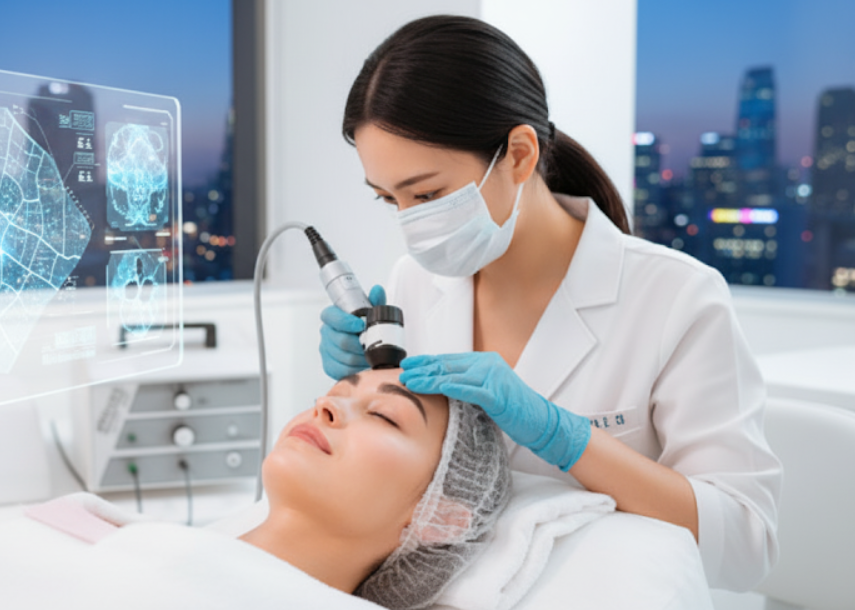
Popular Treatments and Services
Clinics offer comprehensive care using advanced technology.
- Medical Dermatology: This includes the management of chronic conditions like eczema, psoriasis, acne, and pigmentary disorders.
- Clinical & Aesthetic Therapies: Services feature advanced scar revision, precise laser and light therapies, and injectables administered in a medical setting.
- Advanced Diagnostics: Patients have access to high-quality diagnostic imaging and dermatopathology to inform evidence-based, combination treatment plans that may be unavailable in the U.S.
What to Verify Before Your Visit
Look for these quality signals to ensure you choose a reputable provider.
- Accreditation: Check if the clinic or hospital is registered with KHIDI (Korea Health Industry Development Institute) or has KAHF (Korea Accreditation Program for Hospitals Serving Foreign Patients) designation.
- Credentials: Verify that the dermatologist is board-certified. Top hospitals often publish the clinical credentials of their staff.
- Patient Support: Look for facilities with dedicated international patient centers or registered facilitators on the official Medical Korea website. Confirm that English translation support is available for clear communication.
Practical Information
Wait times are often short. Visits can range from same-day consultations for simple procedures to multi-day stays for combined diagnostics and serial treatments.
Recovery from noninvasive procedures is typically quick, allowing for light medical tourism within a few days. Many clinics also offer remote follow-up consultations after you return home.
2. Comprehensive Health Screenings & Executive Checkups
Korea is globally known for its efficient, concierge-style executive health screening centers. This service is the third most popular for U.S. patients, with over 11,780 visits in 2024.
These centers offer comprehensive, one-stop evaluations, ideal for an annual checkup or a second opinion during a single trip.
What a Screening Includes
Packages bundle advanced diagnostics into a one or two-day experience with low wait times.
- Advanced Imaging: MRI, CT scans, and cardiac ultrasounds.
- Internal Scopes: Gastrointestinal endoscopy and colonoscopy.
- Lab Work: Comprehensive blood chemistry panels and cancer marker tests.
- Consultation: A physician consultation to review the results, with reports often delivered the same day.
What to Verify Before Booking
Look for these signals of a high-quality screening center.
- Accreditation: Prioritize KAHF-accredited hospitals and institutions listed on the official Medical Korea website.
- Qualified Staff: Ensure the package is managed by board-certified physicians and that qualified radiologists will interpret your imaging.
- Clear Reporting: Confirm that you will receive a clear, comprehensive summary of your results in English.
Practical Information
These programs are highly efficient for travelers. Most screening packages are completed within one to two days. More extensive executive or cancer-focused screenings may take longer.
No significant recovery period is needed. However, minor procedures like an endoscopy may require a brief period of rest.
3. Integrated Internal Medicine and Chronic Disease Management
Integrated internal medicine is the second most visited department by U.S. patients, with over 17,324 visits in 2024.
It serves as a central hub for complex diagnostic workups, second opinions, and chronic disease management, offering a coordinated and accelerated evaluation process.
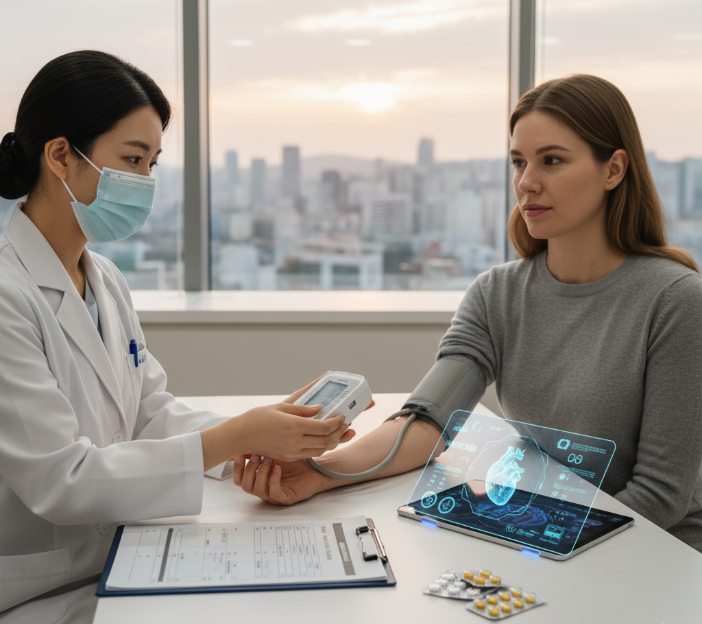
The Integrated Approach
The main draw for Americans is Korea’s team-based approach to care.
- Multidisciplinary Teams: Hospitals integrate multiple specialties like endocrinology, cardiology, and nephrology into a single, coordinated pathway for each patient.
- Common Conditions: This model is used to manage diabetes, thyroid disorders, hypertension, metabolic syndromes, autoimmune diseases, and early-stage cardiovascular conditions.
- Unified Records: Korean hospitals use unified electronic health records. This allows for seamless collaboration between departments and gives patients clarity and convenience during their care.
What to Verify Before Your Visit
Look for these signs of a high-quality integrated medicine program.
- Accreditation: Ensure the hospital has KAHF accreditation.
- Collaboration: Choose hospitals that demonstrate a multidisciplinary approach, such as holding regular tumor or disease board meetings.
- Patient Services: Confirm the availability of strong international patient services, including interpreters, liaisons, and accessible medical records in English.
Practical Information
The length of your stay depends on the complexity of your needs. A visit for diagnostics or a second opinion can be as short as 3–5 days.
If you begin treatment, your stay may be extended. After the initial consultation cycle, most patients can return home.
They can continue care with their U.S. doctors using the shared, comprehensive medical records from their visit.
4. Dental Implants and Maxillofacial Treatments
Korea has an advanced dental care network that combines high-quality materials with modern digital workflows.
U.S. patients often visit for complex, multi-stage dental work that requires efficient coordination between specialists and in-country dental labs.
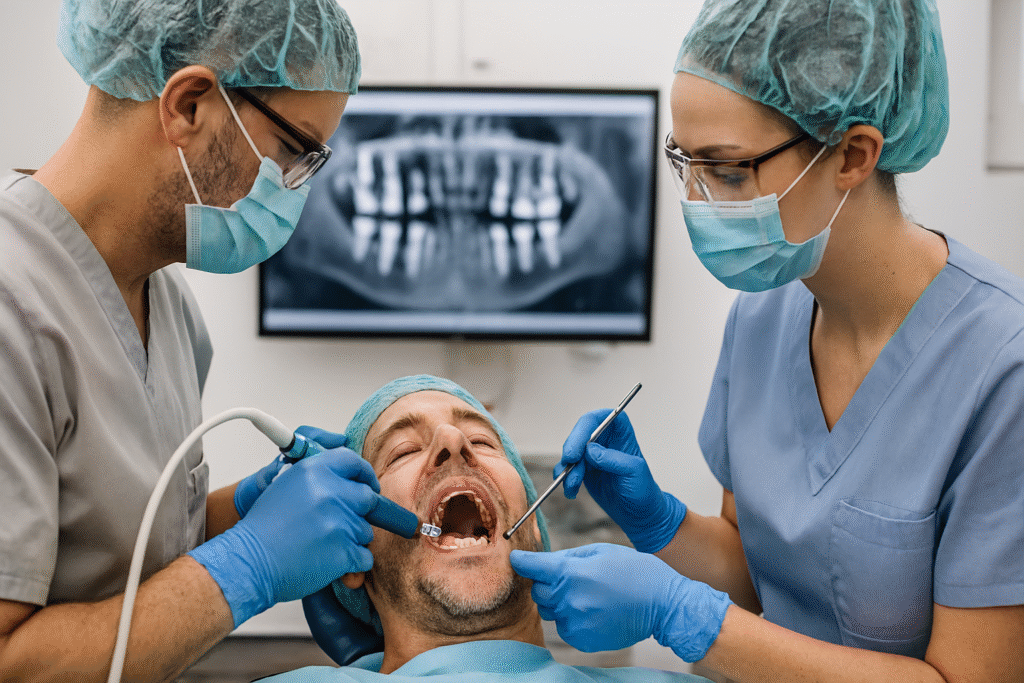
Popular Treatments and Technology
Clinics are known for precision and the integration of surgical and restorative teams.
- Complex Procedures: Popular treatments include implant restorations, full-mouth rehabilitation, advanced prosthodontics, and TMJ treatments.
- Digital Workflow: The use of digital 3D scanning and CAD/CAM technology for crowns ensures a precise and comfortable fit.
- Key Advantages: Patients choose Korea for its high sterilization standards, use of global-grade materials, and access to integrated teams of implantologists, prosthodontists, and surgeons.
What to Verify Before Your Visit
Look for these quality signals when choosing a dental provider.
- Registration: Ensure the clinic is registered on the official Medical Korea website. Some may also have KAHF or other international certifications.
- Specialist Credentials: Verify the credentials of the clinic’s prosthodontists and implant specialists.
- Transparency: Ask about their digital imaging capabilities, lab affiliations, and access to transparent procedure reports.
Practical Information
Complex dental work, such as implants, often requires staged visits. A patient might have an initial trip for implant placement, followed by a second trip months later for the final crown.
When booking, be sure to plan for the dental lab’s turnaround time. For most procedures, a recovery period of 3–5 days is needed before you can resume travel activities.
5. Oncology: Multidisciplinary Cancer Care
Korean hospitals ensure world-class quality in multidisciplinary oncology. U.S. patients often come for second opinions, diagnostic precision, and targeted therapies.
Major centers convene tumor boards: teams of surgeons, oncologists, radiologists, and pathologists who co-manage each case.

The Collaborative Approach
The core strength of Korean oncology is its team-based case management.
- Multidisciplinary Tumor Boards: Major centers convene teams of surgeons, oncologists, radiologists, and pathologists. These experts collaborate to co-manage each case and develop a personalized treatment roadmap.
- Advanced Diagnostics & Therapies: Patients have access to integrated diagnostics like PET-CT scans and genetic profiling. Treatment options include advanced radiotherapy, targeted drugs, and highly coordinated surgical, medical, and radiation care plans.
What to Verify Before Your Visit
Look for these quality signals when selecting a cancer center.
- Established Programs: Choose hospitals with established cancer centers, program accreditation, and published patient outcomes. KAHF designation is another strong indicator of quality systems for foreign patients.
- Team-Based Care: Confirm the hospital utilizes multidisciplinary tumor boards for treatment planning.
- Patient Support: Ensure the center offers dedicated international patient counseling and clear care pathways in English.
Practical Information
Oncology care typically requires longer stays and careful planning for your return to the U.S. It is crucial to arrange for continuity of care.
Before you travel, make explicit arrangements for medical records transfer. Coordinate with both your U.S. and Korean oncology teams to establish a plan for telemedicine follow-up after return.
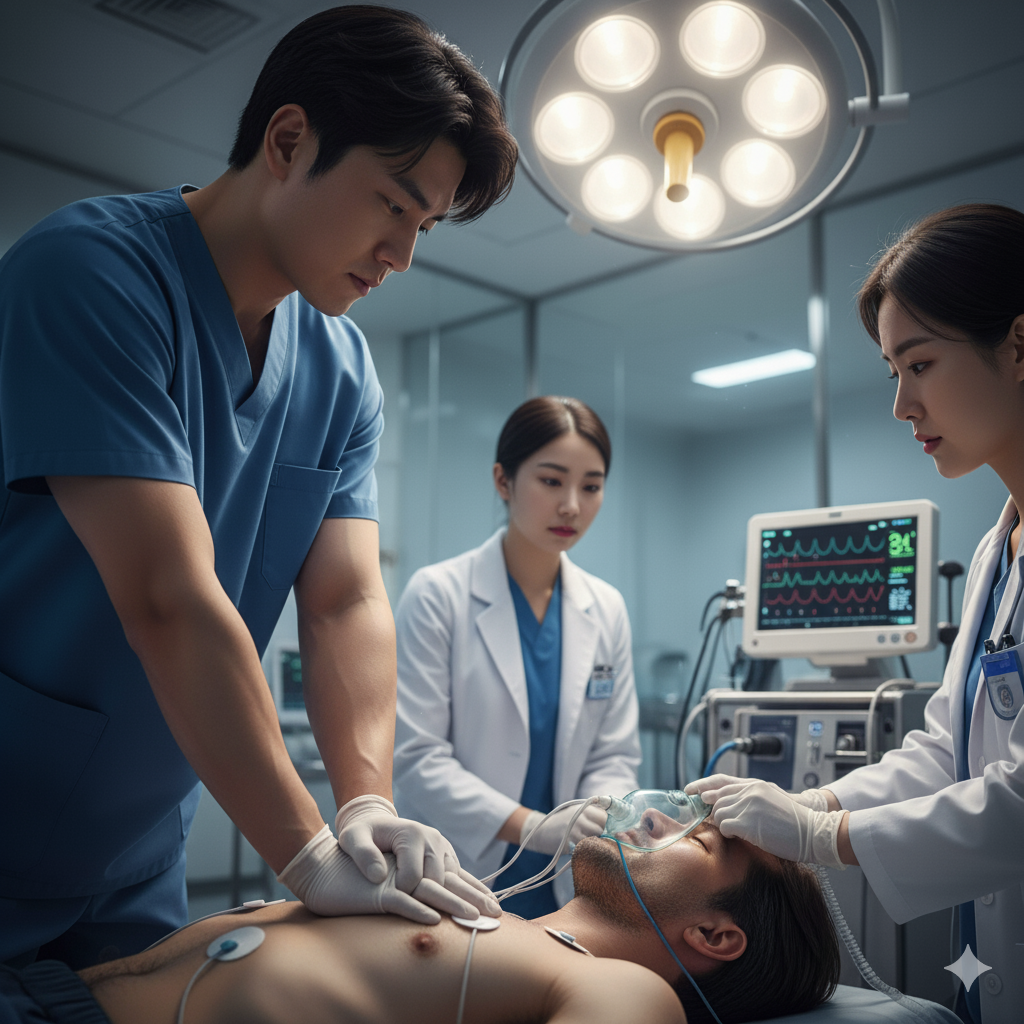
6. Cardiology: Interventions & Heart Procedures
Korean cardiovascular centers are recognized for their innovation, diagnostic accuracy, and advanced, minimally invasive treatments.
U.S. patients with coronary or rhythm disorders often visit for second opinions and catheter-based interventions from clear multidisciplinary teams.
Key Services and Technology
Hospitals offer a full range of cardiac care, from diagnostics to complex procedures.
- Advanced Diagnostics: Patients have access to high-quality, non-invasive imaging, including CT angiography and cardiac MRI, for precise evaluations.
- Interventional Cardiology: Centers specialize in minimally invasive, catheter-based treatments like stent placement and balloon angioplasty, performed in accredited labs with excellent outcomes.
- Why It Appeals: Americans choose Korea for its board-certified cardiologists with international training, accredited catheterization labs that track patient outcomes, and seamless follow-up coordination through official programs.
What to Verify Before Your Visit
Look for these quality signals to ensure a high standard of care.
- Accreditation & Credentials: Prioritize KAHF-accredited hospitals and confirm the board certification of the cardiologists.
- Experience and Support: Inquire about the program’s volume for your specific procedure. Ensure the facility has an intensive care unit (ICU), cardiac rehabilitation services, and an emergency response system that meets international standards.
Practical Information
For procedures like angiography and angioplasty, you can expect a short hospital stay of 2–3 days.
However, more complex interventions require a longer recovery period and local rehabilitation before you are cleared for international travel.
Many centers offer long-term cardiac rehabilitation programs via telemedicine, allowing you to continue your recovery after returning home.
7. Specialized Surgery & Organ Transplants
Korea’s top tertiary hospitals are leaders in highly complex procedures, including organ transplants, neurosurgery, and reconstructive surgery.
While less common for short-term medical tourists, U.S. patients seek out these high-volume centers for their excellence in specific fields like living-donor liver transplants, spinal correction, and advanced neurological procedures.

Key Strengths of Korean Centers
Patients choose Korea for its established programs and comprehensive approach to complex surgical care.
- Team-Based Planning: Cases are reviewed by multidisciplinary boards of surgeons and specialists before any procedure.
- Ethical Oversight: Centers operate with high surgical transparency and strong ethical oversight.
- Post-Surgical Support: Patients receive outstanding postoperative ICU support and coordinated post-transplant care.
What to Verify Before Your Visit
Due to the complexity of these procedures, thorough verification is critical.
- Accreditation & Outcomes: Prioritize KAHF accredited hospitals. Look for centers that publish their program volumes and patient survival outcomes.
- Registry & Coordination: Confirm the center’s participation in the national transplant registry. Ensure they have clear protocols for international coordination and post-treatment follow-up.
Practical Information & Logistics
Planning for a transplant or major surgery is medically complex and requires careful preparation. Expect longer hospital stays and extensive post-operative follow-up.
You will need detailed pre-travel medical clearances and a coordinated plan for managing aspects like immunosuppression.
Continuity of care is typically managed by sharing comprehensive medical records with your physicians back in the U.S.
8. Orthopedics: Joint Preservation & Replacement
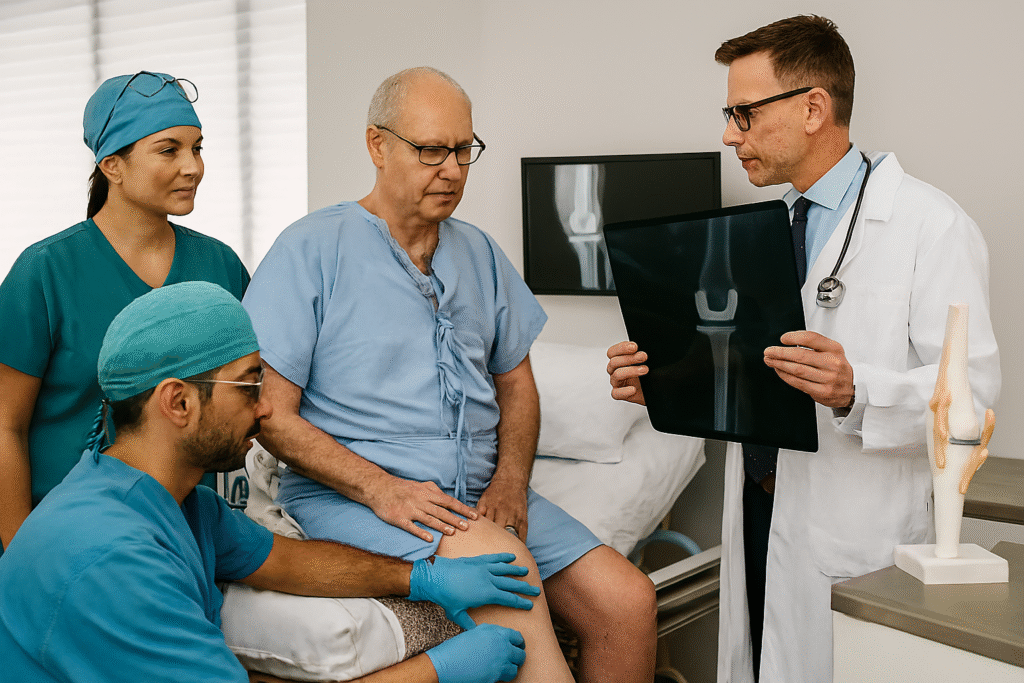
Orthopedics is one of Korea’s most trusted medical specialties. U.S. patients often visit for targeted care, including arthroscopic surgery, joint preservation techniques, cartilage repair, sports medicine, and full joint replacements.
The Integrated Approach to Care
Korean orthopedic centers are known for combining high surgical expertise with advanced rehabilitation.
- Advanced Technology: Specialized centers utilize modern technology like robotic surgical systems for precision and 3D motion analysis to guide postoperative physical therapy.
- Comprehensive Services: The main appeal is the integrated model, which includes minimally invasive surgery, advanced imaging and lab support, and dedicated, multidisciplinary rehabilitation teams.
What to Verify Before Your Visit
Look for these quality signals when choosing an orthopedic provider.
- Accreditation & Registration: Ensure the hospital or orthopedic center is registered on the Medical Korea website. KAHF accreditation is another strong indicator of quality patient services.
- Experience & Outcomes: Inquire about the specific surgeon’s case volumes and the program’s overall patient outcomes for your procedure.
- Rehabilitation Support: Ask about the availability of on-site rehabilitation and whether they have English-speaking physical therapy staff.
Practical Information & Recovery
You should plan for postoperative rehabilitation and physiotherapy. Some patients choose to book an extended stay to complete an intensive rehab program before traveling home.
The recovery timeline varies by procedure. Minor arthroscopic surgeries may allow for travel within 10–14 days.
More complex joint reconstructions will require a longer recovery period and may involve remote follow-ups after you return to the U.S.
9. Reproductive Medicine & Fertility Treatments
Korea is a well-known hub for advanced fertility care, including services like In-Vitro Fertilization (IVF) and Intrauterine Insemination (IUI).
U.S. patients are often drawn to the country’s high success rates, advanced lab standards, ethical oversight, and streamlined cycle management.

Key Services and Strengths
Top fertility centers offer comprehensive, coordinated care for international patients.
- Advanced Labs: Clinics feature state-of-the-art, in-house embryology labs.
- Personalized Care: Patients receive coordinated evaluations, counseling, and personalized hormone protocols.
- Genetic Screening: Many centers offer advanced genetic screening for embryos.
- Transparent Processes: The system is known for transparent reporting and legal compliance with international norms.
What to Verify Before Your Visit
Thoroughly vet any potential clinic to ensure it meets high standards.
- Registration & Accreditation: Check if the clinic is registered on the Medical Korea website or with KHIDI. KAHF accreditation is another strong quality signal.
- Lab Certification: Ask about the clinic’s laboratory accreditation and request to see their published success rates.
- International Support: Confirm they have clear policies and dedicated translator support for international patients.
Practical Information & Logistics
Planning a medical tourism for fertility treatment requires careful logistical coordination. While daily downtime is minimal, a full IVF cycle typically requires a 2–3 week stay in Korea.
Overall, ART care can involve multiple visits over several months. Before you go, you must confirm the logistics for medication, long-term embryo storage, and understand all legal and administrative requirements for international clients.
10. Ophthalmology & Vision Correction
Ophthalmology is a specialty where Korean hospitals excel, combining high surgical precision with advanced technology.
Most American patients visit for everything from laser vision correction to complex retinal and corneal disease treatments.
Key Services and Technology
Korean eye centers offer a full spectrum of care, from diagnostics to advanced surgery.
- Refractive Surgery: Centers are known for advanced platforms like LASIK, LASEK, and SMILE.
- Cataract and Lens Surgery: Surgeons utilize cutting-edge and premium intraocular lens (IOL) implants for superior outcomes.
- Subspecialty Care: Patients can access treatment for complex conditions affecting the cornea (including transplants), retina, and glaucoma.
- Why It Appeals: The main draws are the high concentration of specialized eye hospitals, access to surgeons with high procedure volumes, and well-organized international patient services that simplify logistics.
What to Verify Before Your Visit
Look for these quality signals when choosing an eye care provider.
- Accreditation & Credentials: Prioritize centers listed on Medical Korea or with KAHF accreditation. Confirm the surgeon’s board certification and subspecialty experience.
- Specialized Programs: For transplants, ensure the center has a robust cornea and eye bank program.
- International Support: Verify the availability of English interpretation, named coordinators, and post-surgery teleconsultation options.
Practical Information & Recovery
Arrange a pre-travel teleconsultation and bring your complete ophthalmic records. The recovery and follow-up plan will depend on your procedure.
- Refractive Surgery (LASIK/SMILE): This is often a same-day procedure, requiring 1–3 days of reduced activity and short follow-up visits.
- Cataract/Lens Procedures: These are typically day-case or single-night admissions.
- Complex Surgery (e.g., Corneal Transplant): These require much longer follow-up periods, potentially lasting weeks to months, and need careful planning for continuity of care.
Practical planning for US patients in Korea
Below are some essential tips to pick a medical provider and manage visa, logistics, and other things for a successful medical tourism in Korea:
Picking a provider
- Start with Medical Korea lists and KAHF accreditation. Medical Korea provides searchable lists of registered facilitators, KAHF accredited hospitals and most visited institutions; use those lists to identify hospitals that already serve foreign patients. KAHF designation indicates systems to protect and manage international patients.
- Ask for credentials and program details in writing. Confirm physician credentials, program volumes, the anticipated clinical pathway and what is included in package quotes (tests, anesthesia, room type, interpreter). Request an English-language estimate and written plan.
- Confirm language, records and follow up. Ensure the facility provides multilingual interpretation, a named international patient coordinator, and clear arrangements for paperwork and medical record transfers to your US clinician.
Visas, logistics and travel
- Medical visa guidance and documentation: Korea offers a medical visa (C-3-91) for short-term treatments. Patients can apply via embassies or licensed facilitators listed on the Medical Korea site. Always check the latest visa rules well before travel, since entry requirements can change.
- Telemedicine before and after travel: Many hospitals provide virtual consultations for pre-travel planning and for early post op follow up, which helps maintain continuity with US providers.
- Insurance and emergency planning: Check your medical travel and insurance coverage for international care and evacuation. For major procedures, consider coverage for complications and delayed return travel.
Recovery while visiting Korea: light vacation ideas
Korea supports a comfortable recuperative medical tourism experience. Typical recovery activities depend on the procedure, but the country’s compact transit network and accessible cultural sites make it easy to combine rest with gentle sightseeing.
- Seoul: Ideal for those using major tertiary hospitals; tranquility options include riverside parks, light temple visits and quiet neighborhoods like Bukchon and Samcheongdong for short, easy walks.
- Busan: Coastal access is helpful for postoperative rest and sea air strolls if clinically appropriate.
- Jeju: A popular island option for low-impact outdoor recovery after physician clearance; known for gentle scenery and a slower pace.
Always follow your treating physician’s activity restrictions, and prioritize local follow up and emergency contact details before venturing far from your care center.
Frequently Asked Questions
Can Medicare be used in Korea?
No. Patients typically self-pay or use private international insurance.
How long should Americans plan to stay?
For simple checkups, 3 to 5 days. For complex care up to 3 weeks.
What if complications arise after returning home?
Contact the hospital’s foreign patient office immediately for guidance.
How can I verify statistics myself?
Visit KHIDI’s data portal or Medical Korea’s annual statistical reports.
Final Word
Korea is an attractive medical tourism destination for many US patients seeking dermatology, checkups, diagnostics, dental care, oncology and a range of high complexity specialty services.
The combination of clinical expertise, strong international patient services and government accreditation programs such as KAHF create a practical framework for safe care abroad.
Korea’s strength lies not in price, but in precision, safety, and trust. American patients choose Korea for its integrated care, transparent data, and patient-first service.
When you plan your medical journey, use official KHIDI sources, verify accreditation, and prepare for recovery with confidence.

