
The Evolution of Medical Tourism
Medical tourism once meant crossing borders for lower-cost procedures. But today, Korea and the United States are redefining that concept entirely. The new model isn’t just about affordability, it’s about trust, safety, innovation, and mutual opportunity.
As global patients demand higher transparency and ethical care, KAMTOUR (the Korea–America MedTour Association) is leading this shift by setting voluntary certification standards that ensure healthcare exchange between the two nations remains safe, professional, and beneficial for all parties.

From Price Competition to Quality Collaboration
For years, medical tourism was dominated by cost-based decisions. Patients traveled abroad seeking affordable surgery or cosmetic enhancements. However, that model often came at the expense of quality oversight.
- Today, the U.S. and Korea are proving there’s a better way, a trust-based ecosystem.
- Korean hospitals are offering advanced technologies and efficient care delivery.
- American institutions bring regulatory strength, research excellence, and global credibility.
- Patients benefit from the best of both systems, supported by certified programs and bilingual care pathways verified through KAMTOUR.
KAMTOUR’s Mission: Building Confidence in Cross-Border Care
KAMTOUR was founded with a simple mission: to make global healthcare credible and transparent. By certifying providers, clinics, and partner institutions, KAMTOUR ensures that both Korean and U.S. participants operate with the same ethical and professional expectations.
Key principles of the certification include:
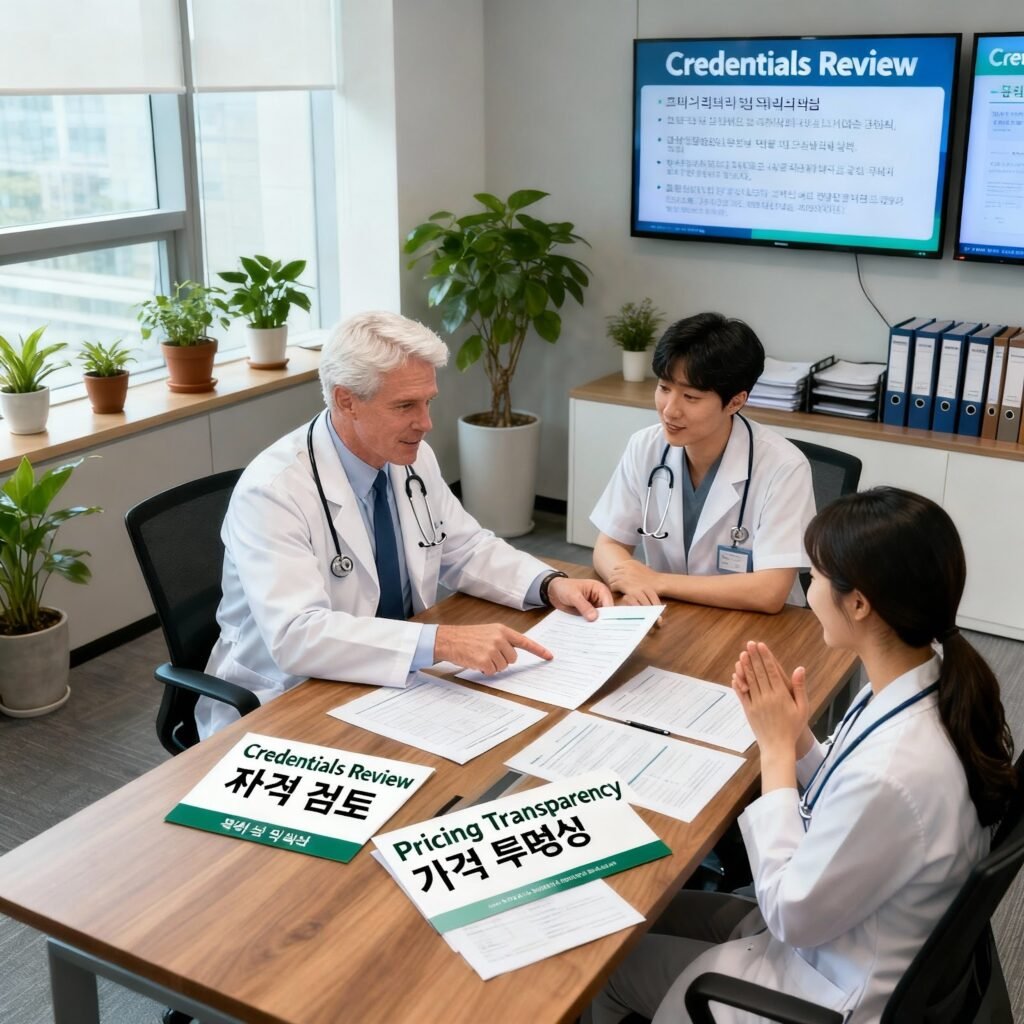
- Verified credentials and institutional licensing.
- Fair advertising and transparent pricing practices.
- Bilingual patient communication and documentation.
- Alignment with both U.S. HIPAA and Korean PIPA data standards.
This shared framework eliminates uncertainty and strengthens public trust, the foundation of modern international medicine.
Examples of Bilateral Excellence
1. Korean Centers of Innovation, such as Seoul National University Hospital and Asan Medical Center are collaborating with U.S. academic institutions to train clinicians and exchange technologies.
2. American Research Hospitals like Johns Hopkins and Mayo Clinic are developing teleconsultation networks and co-sponsored symposiums with Korean partners.
3. Private Sector Partnerships involving med-spas, device manufacturers, and biotech startups are using KAMTOUR certification to demonstrate reliability to both regulators and patients.
Together, these efforts show that the future of medical tourism isn’t one-directional — it’s collaborative and cyclical.
The Mutual Benefits of Redefining MedTourism
For the United States:
- Expands global influence of American medical innovation.
- Opens new patient markets and partnership channels.
- Strengthens cultural diplomacy and export opportunities.
For South Korea:
- Gains access to cutting-edge clinical protocols and FDA-cleared technologies.
- Enhances international brand reputation as a world-class care destination.
- Attracts foreign partnerships, investment, and training opportunities.
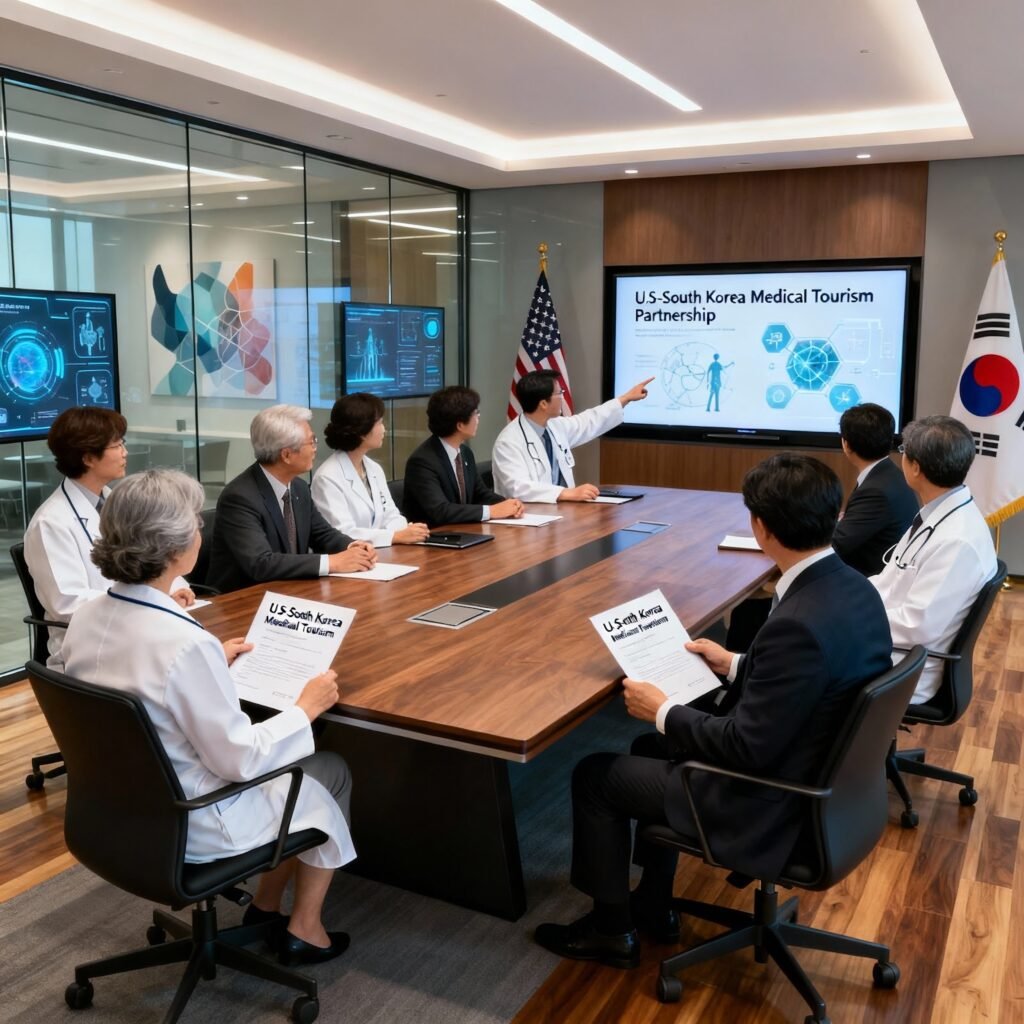
KAMTOUR’s framework ensures these exchanges remain balanced and ethical, preventing exploitation while promoting excellence.
The Cultural Bridge: Shared Values of Care
Korean healthcare is known for its efficiency, accessibility, and warmth while the U.S. system excels in innovation, specialization, and technology.
Together, these strengths form a holistic global care model. Patients experience both technical precision and compassionate hospitality.
KAMTOUR emphasizes that cultural understanding is as essential as clinical expertise. Every certification includes guidelines for cultural sensitivity, bilingual support, and international patient education ensuring that care feels human, not transactional.
Setting a Global Example
Through events like “Medical Korea in USA”, KAMTOUR and KHIDI (Korea Health Industry Development Institute) showcase this new era of collaboration to policymakers, healthcare executives, and academic leaders.
These platforms emphasize that ethical, certified medical tourism creates opportunity without compromising safety or integrity.
As more countries look to Korea and the U.S. for guidance, the bilateral model may soon become the gold standard for cross-border healthcare.
Conclusion: The New Meaning of Medical Tourism
The term “medical tourism” is evolving from travel for cheaper care to movement for trusted, certified excellence. Korea and the United States are at the forefront of this transformation, proving that when two advanced nations work together, the result isn’t competition, it’s collaboration that benefits patients, providers, and the global health community.
KAMTOUR continues to champion this transformation, ensuring that healthcare across borders is not just accessible, but accountable, ethical, and inspired by trust.

